The most interesting trend in frontend development isn't a new framework or CSS feature — it's the emergence of Generative UI (GenUI). Interfaces that design themselves based on user intent, data context, and real-time feedback.
What is Generative UI?
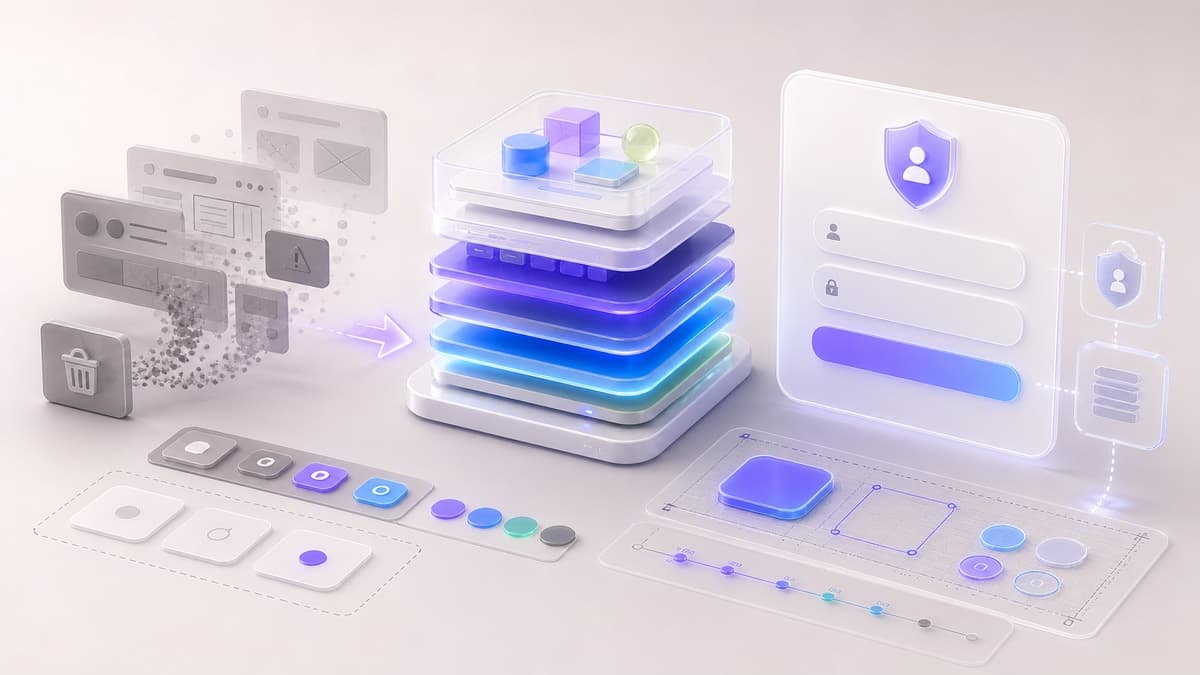
Generative UI is any system where the interface is created or modified by AI at runtime, rather than being statically coded:
- Prompt-to-UI: Describe what you need in natural language, and AI generates the component.
- Adaptive layouts: The interface restructures itself based on user behavior and preferences.
- Dynamic theming: Colors, typography, and spacing adjust automatically to brand guidelines.
Tools Driving the Shift
Vercel v0
Vercel's v0 can generate strong React component starting points from text prompts. It understands Tailwind CSS, shadcn/ui, and Next.js patterns well enough to prototype dashboard layouts quickly, but the output still needs accessibility, performance, copy, and code review before production.
Framer AI
Framer's AI can generate complete landing pages from a brand description. It handles layout, copy, imagery, and responsive design in a single generation.
Custom GenUI Pipelines
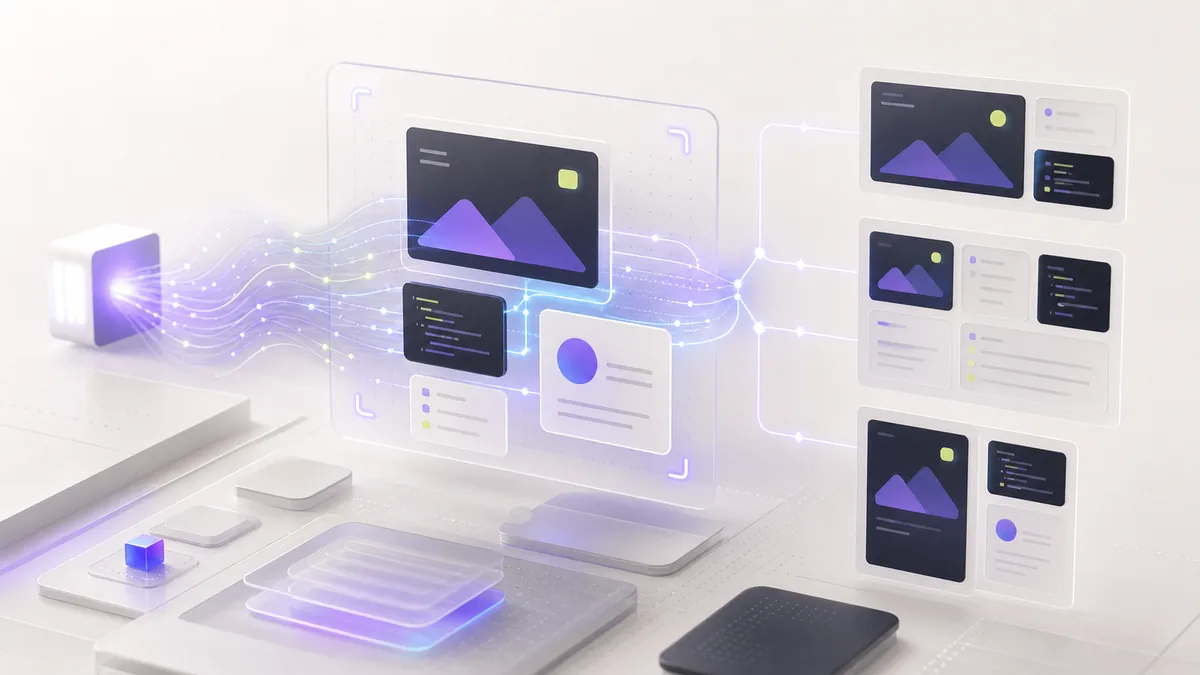
For more sophisticated use cases, custom pipelines translate user intent into constrained component options, preview those options, gather feedback, and feed the learning back into the next iteration.
This is how I see the future of design systems: not static component libraries, but AI-driven component factories that produce variants on demand within approved design, accessibility, and performance rules.
Real-World Applications
1. Personalized Onboarding
Instead of one-size-fits-all onboarding flows, GenUI creates custom experiences based on what we know about the user — their role, industry, and goals.
2. Dynamic Dashboards
Data visualization that adapts to what the user is actually looking at. If they focus on revenue metrics, the dashboard surfaces revenue-related charts and hides irrelevant data.
3. Adaptive E-Commerce
Product pages that restructure based on user behavior:
- First-time visitor? → Feature social proof and trust signals prominently.
- Returning customer? → Show their browsing history and personalized recommendations.
- High-intent buyer (from Google Shopping)? → Minimize distractions, maximize the buy flow.
The Developer's Role Changes
GenUI doesn't replace frontend developers. It changes what we do:
- Before: Manually building every variation of every component.
- After: Defining constraints, design tokens, and quality gates that AI operates within.
We become design system architects who define the rules, and AI generates the infinite variations within those rules.
Challenges and Limitations
- Consistency: AI-generated UIs can drift from brand guidelines without strict guardrails.
- Accessibility: AI doesn't reliably produce accessible HTML. Human review is essential.
- Performance: Dynamic generation adds runtime overhead. Caching strategies are critical.
- Testing: How do you test an interface that's different for every user? Snapshot testing breaks down.
What I'm Excited About
The convergence of GenUI with React Server Components is particularly powerful. Imagine:
- Server-side AI generates a personalized component tree.
- Only the interactive parts hydrate on the client.
- The user sees a fully customized, instantly-loaded page.
This is where frameworks like Next.js + AI SDK are heading, and it's going to be transformative for user experience.
The UI follows the intent, not the template. That's the future we're building toward.
Keep the Thread Going
- Service path: Custom Web Development
- Related read: Agentic AI: How Software Teams Use It in 2026
- Related public work: MintoCrypto
- Ready to scope your own version? Start a project