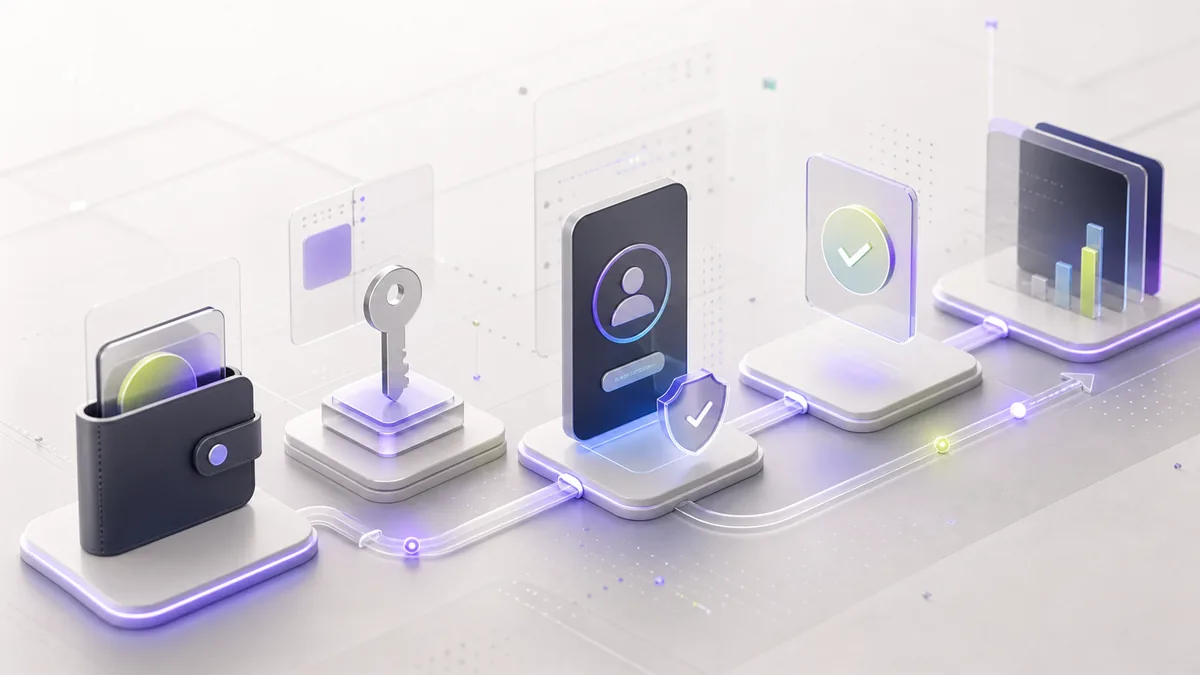

Paper business cards still have a place, but they are hard to update and difficult to connect to follow-up. I built Pulsee to solve this — an NFC-powered smart business card that shares contact details with a tap, supports consented lead capture, and gives owners privacy-aware engagement signals.
Why NFC Smart Cards?
The traditional business card has three fatal flaws:
- They get lost. A paper card can disappear before the follow-up happens.
- They're static. Changed your phone number? Reprint 500 cards.
- They don't track anything. You have no idea if anyone ever used the info.
Pulsee solves all three. One card. Always up to date. Useful activity signals without turning networking into surveillance.
Product Constraint
Pulsee had to feel simple at the physical handoff moment.
That created a few constraints:
- the tap experience had to work without an app download
- the profile page had to load quickly on mobile data
- the owner needed to update details without reprogramming the card
- the ecommerce checkout had to support personalized products
- analytics had to be useful without making the buyer feel tracked in a creepy way
The real product challenge was not NFC itself. It was making the physical card, digital profile, checkout, and lead capture feel like one clean experience.
How Pulsee Works
The experience is dead simple:
- Tap your Pulsee card against any NFC-enabled phone (iPhone, Android).
- Contact details are shared instantly — no app download required.
- Contact actions can be captured when the recipient intentionally saves or submits details.
- Run follow-ups from consented engagement signals instead of guessing whether the card worked.
The Tech Stack
Building Pulsee required bridging physical hardware with digital infrastructure:
- E-Commerce: WooCommerce with custom product configurator for card personalization.
- NFC Programming: Each card is individually programmed with a unique URL that routes to the owner's profile.
- Profile Pages: Headless CMS-powered profile pages designed for fast mobile loading.
- Analytics Dashboard: Privacy-aware engagement reporting for card, profile, and link activity.
- Lead Capture: Automatic contact storage with CSV export for CRM integration.
Key Features
| Feature | Benefit |
|---|---|
| Instant Contact Sharing | One tap, zero friction |
| Lead Capture | Consented contact actions are stored |
| Always Up to Date | Edit your info anytime, card stays the same |
| Targeted Marketing | Follow up from useful engagement signals |
| Analytics | Understand card, profile, and link activity |
| Personalized Design | Custom branding on every card |
Funnel Design
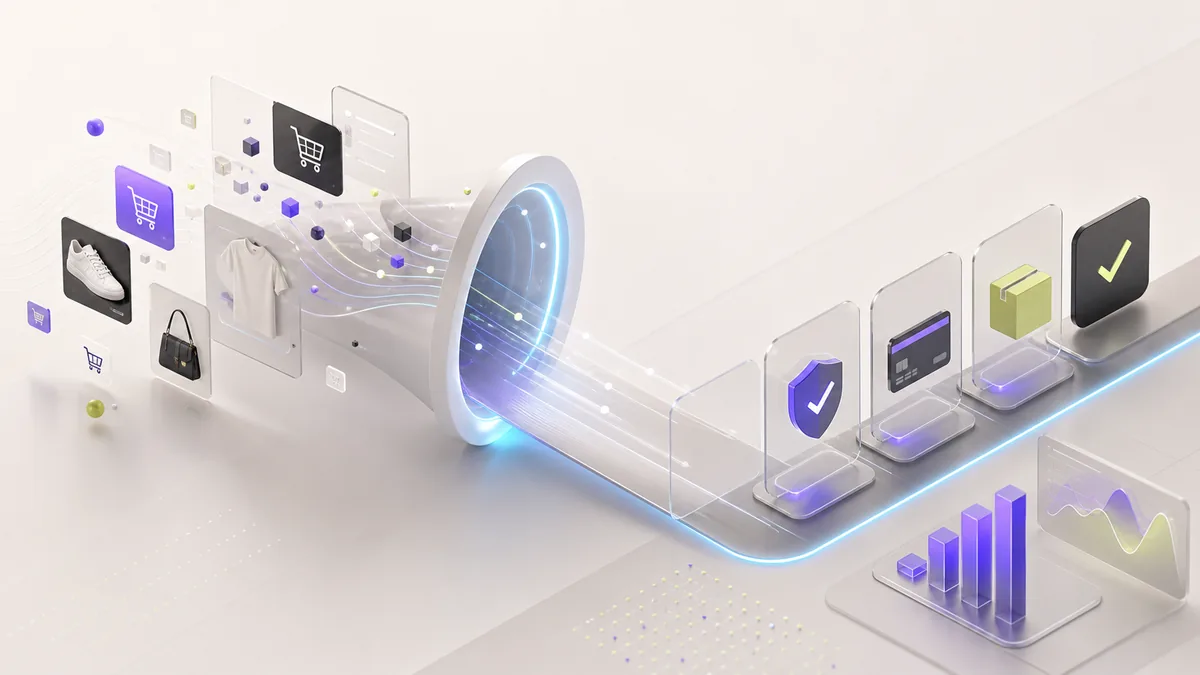
The Pulsee funnel had three moments that mattered:
- Purchase: convince the buyer that the card is premium, editable, and useful for real networking.
- Activation: help the buyer configure the profile without support tickets.
- Tap: make the recipient understand the profile immediately and take the next action.
Each moment needed different UX. The product page needed trust and product clarity. The activation flow needed fewer choices. The public profile needed speed, hierarchy, and obvious contact actions.
That is why the build combined WooCommerce flexibility with custom profile and analytics logic. A plain product page would not have been enough, and a generic SaaS dashboard would have ignored the physical fulfillment workflow.
Lessons From Launching a Physical + Digital Product
Selling a physical NFC card alongside digital software taught me a few things:
- Tactile products still matter. People love holding something premium. The feel of the card matters as much as the tech.
- Simple onboarding wins. If someone taps the card and doesn't instantly "get it," you've lost them. The UX has to be invisible.
- WooCommerce is underrated. For physical product businesses, WordPress + WooCommerce still offers unmatched flexibility for custom checkout flows.
What Changed After Launch
The biggest post-launch lesson was that analytics should support follow-up, not overwhelm the user.
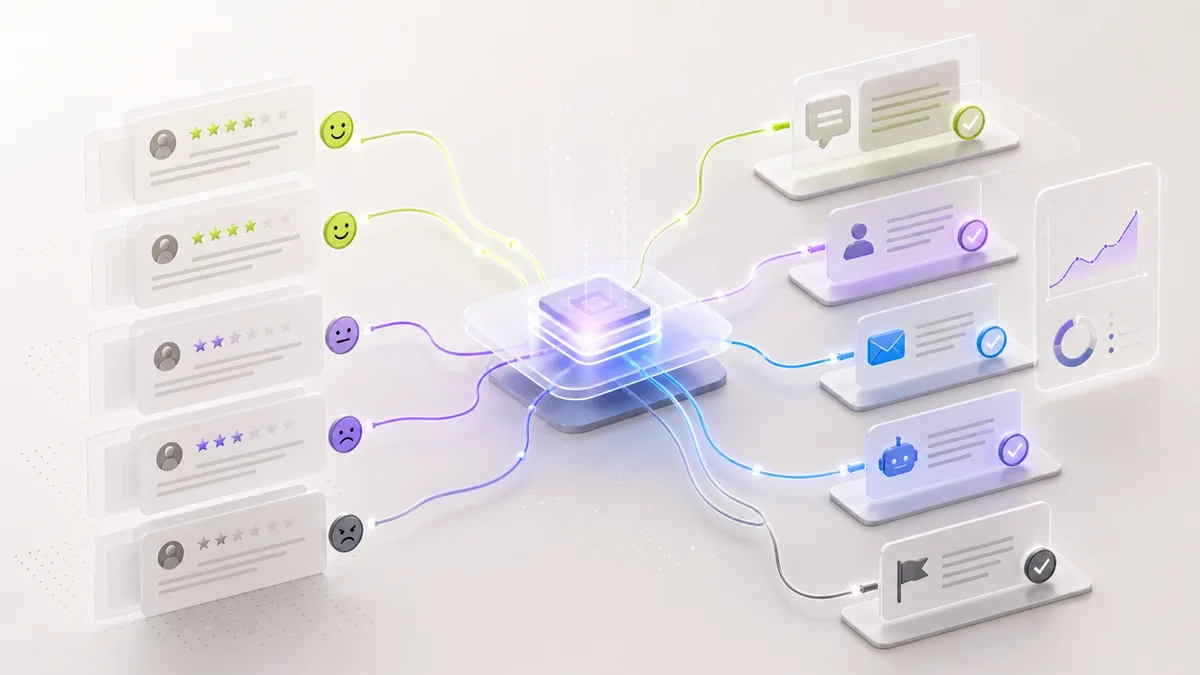
Instead of flooding the dashboard with vanity metrics, the useful signals were:
- which card or profile was tapped
- whether the visitor saved contact details
- which links received action
- whether repeat taps came from the same event or channel
- which profile fields caused confusion during setup
Those signals informed onboarding copy, profile layout, and follow-up workflows. For physical-plus-digital products, the best optimization often happens after real users touch the thing in the real world.
Limits and Tradeoffs
NFC products still need fallback planning. Some phones have NFC disabled, some users scan QR codes more comfortably, and some environments are too noisy for a detailed profile interaction.
The best experience gives users multiple paths: tap, QR, direct URL, save contact, and manual share. The NFC card should feel magical, but the business cannot depend on magic alone.
What's Next
The natural next step for products like Pulsee is broader profile management: clearer activation, stronger privacy controls, better CRM exports, and more flexible card or QR formats for different networking contexts.
Check it out at pulsee.ca.
Keep the Thread Going
- Service path: Custom Web Development
- Related read: 7 E-Commerce Fixes That Consistently Lift Conversion
- Ecommerce path: E-Commerce Development Services
- Ready to scope your own version? Start a project